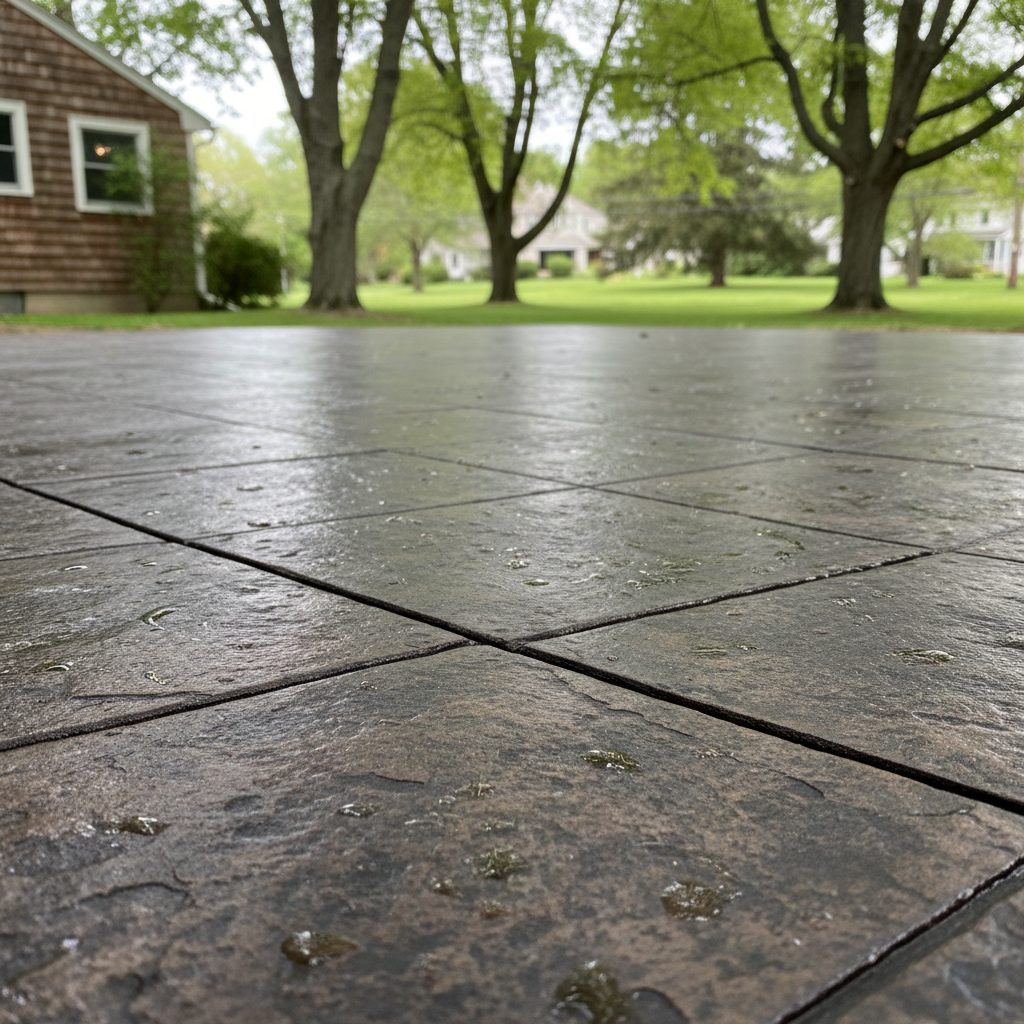
So, you're thinking about stamped concrete for your place here in Cranston. Smart move. It's a fantastic way to get that high-end look without all the endless fuss of pavers or natural stone. But before you dive in, you should really know a few things. It's not just about pouring concrete and slapping on a pattern; there's a real art and a bit of science to getting it just right, you know?
Before You Start: Planning & Expectations
First off, what's the goal here? Are you dreaming of a new patio? A walkway? Maybe a pool deck? Stamped concrete is super versatile – it can mimic all sorts of materials: slate, brick, wood, cobblestone. Take some time, really look at different patterns and colors. Don't just grab the first thing that catches your eye. Picture how it'll blend with your house, your landscaping, and the whole vibe of your property.
One big question I hear a lot is, "Can I just do this myself?" The quick answer? Probably not, if you want it to look professional and actually last. Pouring a basic concrete slab? Maybe, if you're pretty handy and it's a small area. But stamped concrete? That's a whole different ballgame. It demands specialized tools, experience with concrete mix designs, precise timing, and a real knack for detail. You've got to work fast before the concrete sets up, and if you mess up, it's not an easy fix. We're talking about tearing out a whole slab and starting over, which is a huge waste of time and money, believe me.
For homeowners in neighborhoods like Edgewood or Garden City, where you often find older homes nestled in established landscapes, getting the drainage and sub-base prep right is absolutely critical. We get some pretty serious rain here in Rhode Island, and the last thing you want is water pooling up against your foundation or washing away your brand-new patio. This isn't something you can cut corners on. A proper sub-base, usually compacted gravel, is what gives your concrete its strength and stops cracking later on. Skip this step, and you'll definitely regret it.
During the Project: What a Pro Does
When you hire a professional, here's what you're really paying for:
- Expert Site Prep: We handle all the digging, grading, and compacting of that sub-base. It's literally the foundation for your foundation.
- Formwork & Reinforcement: We build sturdy forms to hold the concrete in place and put in rebar or wire mesh for structural strength. This keeps things from shifting and cracking.
- The Right Mix: We know exactly which concrete mix works best for stamped applications, considering things like strength, how easy it is to work with, and how fast it cures. It's not just any old bag of Quikrete, trust me.
- Pouring & Finishing: This is where speed and skill really shine. We pour, level, and float the concrete perfectly before any stamping starts. There's a very small window for this.
- Coloring & Stamping: We apply the base color, then the release agent, and then carefully lay down the stamps to create a consistent, natural-looking pattern. This takes practice and a good eye – you can't just slap them down willy-nilly.
- Sealing: Once the concrete has cured, we put on a high-quality sealer. This protects the surface from stains, UV damage, and everyday wear and tear, and it really makes the color pop.
Trying to DIY all this means you're renting or buying all these specialized tools, learning techniques on the fly, and just hoping you don't make an expensive mistake. That's a lot to ask of someone who doesn't do this day in and day out. That's why people usually call TH Concrete Co. when they want it done right.
After It's Done: Keeping It Looking Great
Once your stamped concrete is in and cured, the hard part's over, thankfully. But there's still some basic maintenance to keep it looking sharp. This is definitely something you can handle yourself, no problem.
Cleaning: You'll want to clean it regularly, especially after our Rhode Island winters. A simple sweep, then a good wash with a garden hose and a mild detergent (like dish soap) will usually do the trick. For tougher spots, a medium-bristle brush can help. Just avoid harsh chemicals or pressure washers that are too powerful; they can actually damage the sealer or even the concrete surface itself.
Re-sealing: This is probably the most crucial maintenance task. Stamped concrete needs re-sealing every 2-3 years, sometimes more often if it gets a lot of sun or heavy foot traffic. The sealer protects the color and the surface from fading, staining, and abrasion. Think of it like waxing your car – it keeps it looking new. You can pick up good quality concrete sealers at most home improvement stores. Just make sure the surface is clean and totally dry before you apply it, and follow the manufacturer's instructions carefully. It's a pretty straightforward process, usually with a roller or a sprayer.
Cracks: While a professional job really minimizes cracking, concrete can still crack because of extreme temperature changes or ground movement. Small hairline cracks are pretty normal and usually aren't a structural concern. For larger cracks, you might need a professional repair, but for minor ones, there are crack fillers you can apply yourself. Just try to match the color as best you can.
So, there you have it. Stamped concrete is a fantastic investment for your home, adding both beauty and value. Just remember, while you can absolutely take care of the ongoing maintenance, the installation itself is truly best left to the pros. It'll save you a ton of headaches and make sure you get a durable, beautiful result that you'll enjoy for years and years.