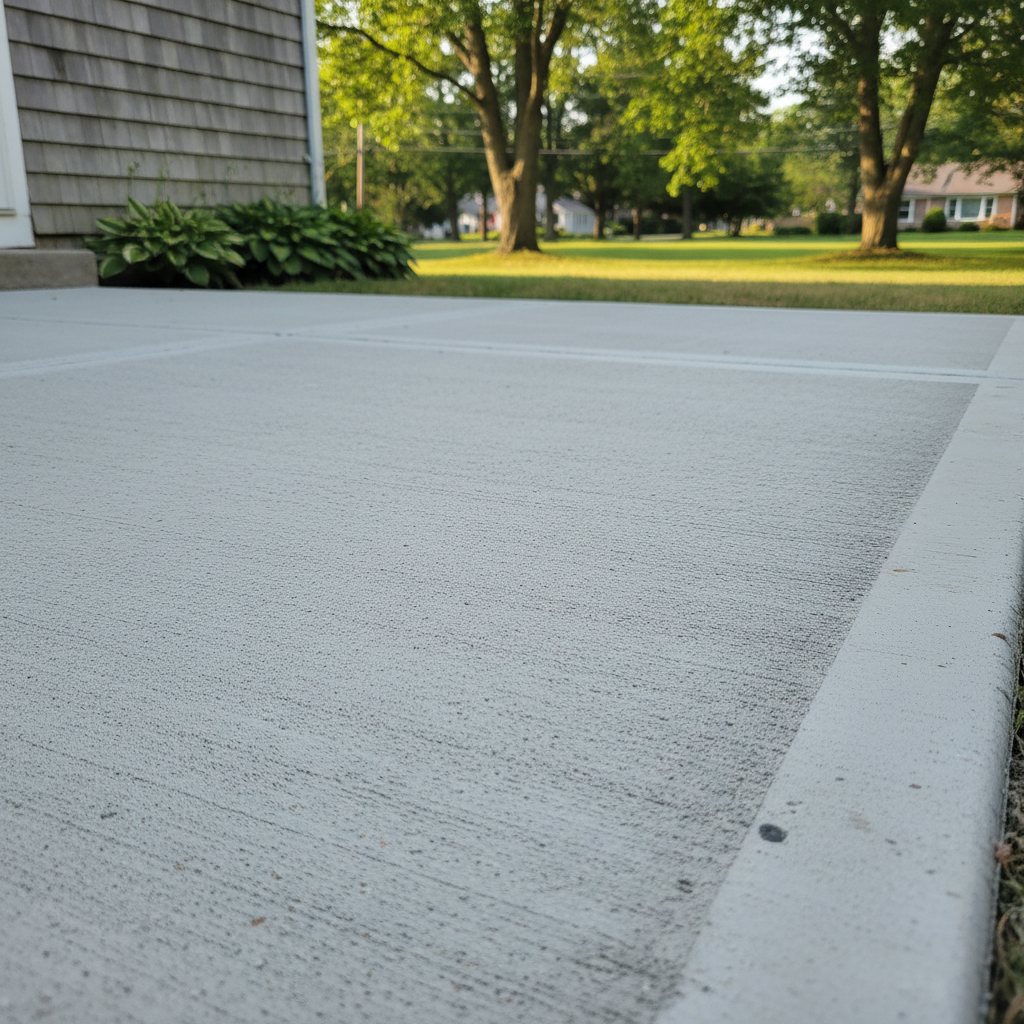
So, you're thinking about pouring some concrete around your place in Cranston. Maybe it's a small pad for your new grill, a stepping stone path, or even a little repair job. That's great! Concrete's tough stuff, and doing some of it yourself can save you a few bucks. But let's be real, there's a big difference between mixing a bag for a fence post and pouring a whole patio. Here's what I tell folks about tackling concrete projects around here.
Before You Even Think About Mixing
First off, planning is everything. You gotta know what you're getting into. What's the purpose of this concrete? A decorative path has different requirements than a foundation for a shed. Sketch it out, measure everything twice, and then measure it again. Trust me on this, I've seen too many projects go sideways because someone eyeballed it.
You'll need to think about drainage, too. We get some serious rain here in Rhode Island, especially with those Nor'easters. You don't want water pooling up against your house or creating a swamp in your yard. Make sure you've got a slight slope away from any structures. A quarter-inch per foot is a good rule of thumb for most flatwork.
And don't forget about utility lines! Before you dig anything, call Dig Safe (811). It's free, it's the law, and it could save you from a major headache or worse. You don't want to hit a gas line or an electrical conduit.
What You Can Probably DIY
For the average homeowner, there are definitely some concrete tasks you can handle. Think small scale:
- Patching Small Cracks: If you've got a hairline crack in your sidewalk or patio, a good quality concrete patch or caulk can do the trick. Clean it out really well first, then follow the product instructions.
- Pouring Small Pads: A 2x2 or 3x3 foot pad for a trash can, an AC unit, or a small shed base? Totally doable. You'll need to dig out the area, lay down some gravel for drainage, build a simple form with 2x4s, and then mix and pour. Make sure your base is compacted well; that's key for preventing future cracking.
- Stepping Stones: This is a fun one. You can buy molds or even make your own. It's more of a craft project than heavy construction, and it's a great way to add some character to your yard.
- Setting Posts: Whether it's for a mailbox, a fence, or a small sign, mixing a bag of concrete and setting a post is pretty straightforward. Just make sure it's plumb (straight up and down) before the concrete sets.
For these smaller jobs, you can usually rent a small mixer or just mix bags by hand in a wheelbarrow. Just be ready for some serious arm work!
When It's Time to Call a Pro (Like TH Concrete Co.)
Here's where I tell folks to put down the shovel and pick up the phone. There are certain projects that are just too big, too complex, or too critical for a DIY approach. You'll save yourself a lot of grief and money in the long run by getting a professional involved:
- Driveways and Large Patios: We're talking about serious square footage here. You need a proper sub-base, rebar or wire mesh reinforcement, expansion joints, and a perfectly level (or correctly sloped) finish. Getting a consistent mix and a smooth, durable finish on a large area is an art form. Plus, you'll need a lot of concrete, and handling a concrete truck delivery isn't for the faint of heart.
- Foundations and Structural Slabs: This is non-negotiable. If it's supporting a structure – a garage, an addition, or even a heavy shed – you absolutely need a professional. There are building codes, engineering requirements, and specific techniques to ensure structural integrity. You don't want your new garage sinking or cracking because the foundation wasn't done right.
- Retaining Walls: These aren't just decorative; they hold back tons of soil. They need proper footings, drainage behind the wall, and often reinforcement. A failed retaining wall can cause significant damage and be dangerous.
- Complex Designs or Stamped Concrete: Want that beautiful stamped patio that looks like stone or brick? That takes specialized tools, experience, and a very precise timing. It's not something you can just pick up in an afternoon.
- Any Project Requiring Heavy Equipment: If you need a bobcat, a large concrete pump, or a power trowel, you're probably beyond DIY territory.
Also, consider our soil here in Cranston. We've got a mix, but a lot of it can be pretty clay-heavy, especially in areas like Edgewood. That means you need to be extra careful with drainage and proper compaction to prevent issues like frost heave down the road. A pro knows how to account for these local conditions.
Look, I love seeing people tackle projects around their homes. It's rewarding. But concrete is permanent. If you mess up a small patch, it's not the end of the world. If you mess up a driveway or a foundation, you're looking at a huge, expensive headache to fix. So, be honest with yourself about your skills and the scope of the job. For the big stuff, give us a call at TH Concrete Co. We're always happy to talk through your project and give you an honest opinion on what's best.
After the Pour: Curing is Crucial
Whether you DIY or hire a pro, one thing you absolutely cannot skip is proper curing. Concrete doesn't just dry; it cures, which is a chemical process that strengthens it. Forgetting this step is how you end up with weak, dusty, or cracked concrete. Keep it moist for at least 3-7 days, ideally longer. You can use wet burlap, plastic sheeting, or a curing compound. Don't let it dry out too fast, especially in hot, sunny weather. And definitely stay off it for at least 24-48 hours for light foot traffic, and a week or more for vehicle traffic, depending on the mix.
```