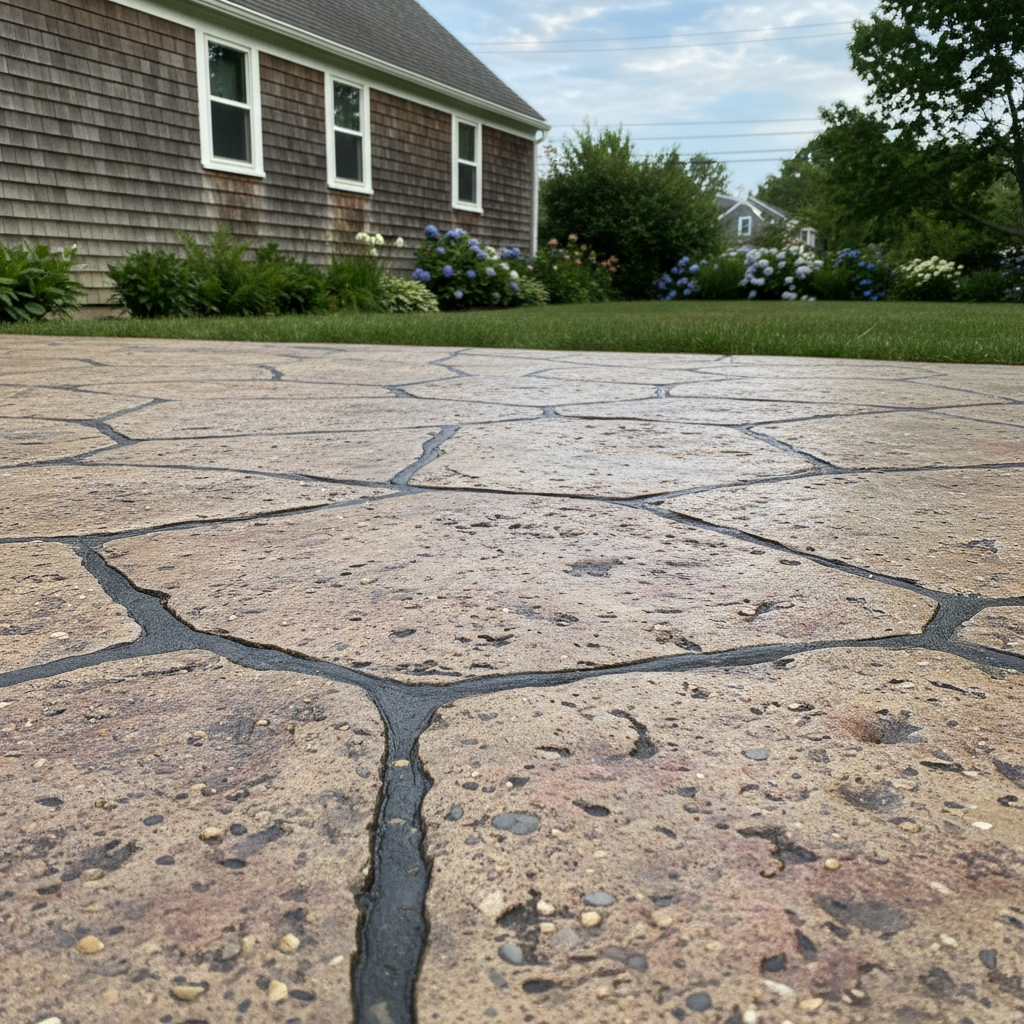
So, you're thinking about tackling a concrete project around your Cranston home? Maybe it's a small patio, a shed foundation, or patching up an old walkway. That's great! There's a real sense of accomplishment that comes with building something solid with your own hands. But here's the deal: concrete work isn't always as simple as it looks, and there's a big difference between a small DIY job and something that really needs a pro.
Before You Even Think About Mixing
First things first, you gotta plan. What exactly are you building? How big is it? What's it going to be used for? A little stepping stone is one thing; a driveway extension is a whole other beast. You need to think about drainage, too. We get some serious rain here in Rhode Island, especially with those Nor'easters, and you don't want water pooling up against your foundation or in your yard because of a poorly sloped slab. Sketch it out, measure everything twice, and then measure again.
Next, permits. For smaller, non-structural projects like a small patio or a pathway, you might not need one. But for anything bigger, like a new garage slab or a retaining wall, you absolutely will. Check with the Cranston Building Department. Trust me, it's way easier to get a permit upfront than to deal with fines or having to tear something out later.
Then there's the site prep. This is HUGE. You need to clear the area, remove any grass or topsoil, and make sure your base is solid. For most small projects, a few inches of compacted gravel will do the trick. You can rent a plate compactor for this, and it's worth every penny. If you've got that heavy clay soil like we see in some parts of Cranston, especially down by the Pawtuxet River, you'll want to make sure your base is extra stable and well-draining to prevent shifting over time.
What You Can Probably DIY (and What You Can't)
Okay, let's talk about what's realistic for a homeowner. If you're pouring a small, non-structural slab, say 4x4 feet for an AC unit or a garbage can pad, you can probably handle it yourself. You'll need to build a form out of lumber, make sure it's level, and then mix your concrete. For these small jobs, bags of ready-mix concrete from the hardware store are fine. Follow the instructions on the bag for water, and don't add too much! That's a common mistake that weakens the concrete.
Now, when it comes to anything larger than, say, a 10x10 foot slab, or anything that's going to bear significant weight (like a hot tub pad or a vehicle), you're quickly moving into professional territory. Here's why:
- Volume: Mixing enough concrete for a bigger slab by hand is back-breaking work and almost impossible to do consistently. You'd need a concrete truck, and that's a whole different ballgame.
- Reinforcement: Larger slabs need rebar or wire mesh to prevent cracking. Laying that out correctly takes experience.
- Finishing: Getting a large slab perfectly level and smooth, especially for something like a garage floor or a patio you'll walk on barefoot, requires specialized tools and a lot of practice. The concrete cures fast, and if you don't work quickly and efficiently, you'll end up with a lumpy, uneven mess.
- Excavation: If your project requires significant digging or grading, you're better off with someone who has the right equipment and knows how to use it.
For anything beyond a small, simple pad, you're really better off calling a local concrete contractor like us at TH Concrete Co. We've got the equipment, the crew, and the know-how to get it done right the first time, saving you headaches and potentially costly mistakes down the road.
During the Pour: Speed and Precision
If you're doing a small pour yourself, once the concrete is mixed, get it into the form quickly. Use a shovel or hoe to spread it evenly. Then, use a straight piece of lumber (a screed board) to level it off, moving it back and forth across the top of the forms. This is called screeding. After that, use a bull float or hand float to smooth the surface and bring up the 'cream' – the fine cement paste. Don't overwork it, though, or you'll bring too much water to the surface, which weakens the top layer.
Keep an eye on the weather. A hot, sunny day can make the concrete cure too fast, leading to cracks. A sudden downpour can ruin your finish. If it's hot, you might need to mist the surface lightly to slow down drying.
After the Concrete is Poured: Curing is Key
Once you've got your finish, the work isn't over. Proper curing is critical for strength and durability. For at least the first week, you want to keep the concrete moist. You can do this by:
- Misting it with water several times a day.
- Covering it with plastic sheeting or burlap that you keep wet.
- Using a liquid curing compound (you can find these at hardware stores).
Don't put heavy weight on your new concrete for at least 7 days, and ideally, wait 28 days for it to reach its full strength. That means no parking cars on a new driveway or putting heavy furniture on a new patio right away.
Cracks happen. Even with the best preparation, concrete can crack. That's why control joints are often cut into larger slabs – they give the concrete a place to crack predictably. For small DIY jobs, you might not worry about them, but on bigger projects, they're essential.
Look, concrete is an amazing, durable material when it's done right. For those small, straightforward projects, go for it! You'll learn a lot. But for anything that needs to last, look good, and stand up to our New England weather, don't hesitate to call in the pros. We're here to help Cranston homeowners get the solid, reliable concrete they need.